
 EN
 AR
 BG
 HR
 CS
 DA
 NL
 FI
 FR
 DE
 EL
 HI
 IT
 JA
 KO
 NO
 PL
 PT
 RO
 RU
 ES
 SV
 ID
 LV
 LT
 SR
 SK
 SL
 UK
 VI
 SQ
 ET
 HU
 TH
 TR
 MS
 HY
 HA
 LO
 MY

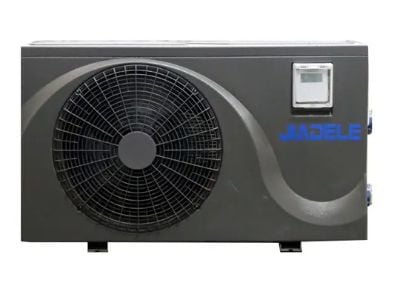
Buffer tanks play a critical role in enhancing the efficiency of HVAC systems, particularly in settings that utilize renewable energy resources like solar thermal systems and air-source heat pumps. These tanks serve as intermediaries, storing excess thermal energy and ensuring a consistent supply of hot water or heating to meet varying demand levels. For purchasing managers, engineers, and other industry professionals, understanding why HVAC systems need a buffer tank for efficiency is vital for optimizing system performance and operational costs. This article provides insights into the benefits of buffer tanks, their impact on efficiency, specifications to consider, cost factors, and common HVAC issues they can help solve.
What Are the Key Benefits of a Buffer Tank in HVAC Systems?
Buffer tanks serve multiple essential functions within air and water heat pump. One key benefit is their ability to store thermal energy, which helps to balance the supply and demand of heating or cooling. This is particularly important in systems like solar water heaters, where energy production can be intermittent due to weather conditions. By storing excess heat generated during peak sunlight hours, buffer tanks ensure that hot water is available even when solar energy is insufficient.
Another significant advantage is the reduction of cycling for the heating or cooling system. Frequent cycling can lead to increased wear and tear on components, ultimately shortening the system's lifespan. Buffer tanks allow the system to operate more efficiently by minimizing the number of times the heating or cooling unit needs to start and stop, thus enhancing overall durability and reliability.
Additionally, buffer tanks can improve system response times, providing immediate heating or cooling when demand spikes. This is particularly beneficial in commercial settings where hot water needs can fluctuate significantly throughout the day.
How a Buffer Tank Improves HVAC System Efficiency and Performance
Integrating a buffer tank into an HVAC system enhances efficiency primarily through improved thermal management. The tank acts as a thermal reservoir, which means that the heating or cooling equipment can operate at optimal efficiency levels. For instance, when a heat pump generates excess heat, it can be stored in the buffer tank rather than being wasted. This stored energy can then be drawn upon during peak demand periods, reducing the strain on the system.
From a performance standpoint, buffer tanks help maintain a more consistent temperature throughout the system. This consistency reduces the risk of overheating ensuring that spaces are maintained within desired temperature ranges without excessive energy use. For example, a well-sized buffer tank can prevent short cycling of a heat pump, thereby increasing its efficiency rating and lowering operational costs.
Moreover, buffer tanks can contribute to improved system responsiveness. When demand for heating or cooling increases suddenly, the buffer tank can quickly supply the necessary thermal energy, ensuring that the HVAC system meets the immediate needs without delay.
Specifications for Your HVAC Needs
When considering a buffer tank for your HVAC system, several specifications are crucial to ensure compatibility and effectiveness:
Capacity: The size of the buffer tank must align with the heating or cooling load of the system. A tank that is too small will not store enough energy, while an overly large tank may lead to inefficiencies. The appropriate capacity depends on factors such as peak demand and the output of the heating or cooling equipment.
Material: Buffer tanks are typically made from materials such as stainless steel or carbon steel, with insulation to minimize heat loss. Stainless steel offers excellent corrosion resistance, making it a preferred choice for many applications, particularly those involving hot water.
Connections: Ensure that the tank has the appropriate inlet and outlet connections compatible with your HVAC system. The size and type of these connections should be verified to avoid installation issues.
Pressure Rating: The tank must be rated for the operational pressure of your system. A mismatch can lead to safety hazards or operational failures.
Thermal Efficiency: Look for tanks that feature high-quality insulation, as this will significantly affect the overall efficiency of the system by minimizing heat loss.
Cost Considerations When Integrating Buffer Tanks into HVAC Systems
The cost of integrating buffer tanks into HVAC systems can vary widely based on factors such as size, material, and manufacturer. When budgeting, consider the following:
Initial Purchase Cost: Larger tanks made from higher-quality materials may have a higher upfront cost. However, investing in a more efficient tank can lead to significant savings in energy bills over time.
Installation Costs: The complexity of the installation can also impact costs. Factors such as accessibility, existing infrastructure, and the need for additional fittings or modifications can influence labor expenses.
Operational Savings: A well-integrated buffer tank can reduce energy consumption and maintenance costs by minimizing cycling and improving overall system efficiency. Consider the potential return on investment when evaluating the total cost.
Maintenance: While buffer tanks generally require minimal maintenance, periodic inspections should be budgeted to ensure that they continue to function effectively. This includes checking insulation integrity and connection fittings.
Common Problems with HVAC Systems and Buffer Tank Solutions
Several common issues can arise in air source heat pump water heater, many of which can be mitigated by the inclusion of a buffer tank:
Short Cycling: This occurs when the heating or cooling unit frequently turns on and off, which can lead to increased wear on the system. A buffer tank can help by providing a reservoir of temperature-stable water, reducing the need for the system to cycle frequently.
Temperature Fluctuations: Inconsistent temperatures in commercial or residential spaces can lead to discomfort and inefficiency. Buffer tanks help maintain stable temperatures by providing a steady supply of thermal energy.
Inefficiency with Renewable Systems: Systems reliant on renewable energy sources, like solar water heaters, often face challenges with energy production variability. Buffer tanks can store excess energy during peak production times for use when production is low.
Increased Energy Costs: By allowing systems to operate more efficiently and reducing cycling, buffer tanks can lead to lower energy costs. They help ensure that heating and cooling systems run only when necessary, optimizing energy use.
By understanding the role of buffer tanks in HVAC systems, professionals can make informed decisions that enhance efficiency, reduce operational costs, and improve overall system performance. As a manufacturer specializing in renewable energy heating equipment, Zhejiang Jiadele Technology Co., Ltd. offers a range of high-quality buffer tanks designed to meet diverse HVAC needs.