
 EN
 AR
 BG
 HR
 CS
 DA
 NL
 FI
 FR
 DE
 EL
 HI
 IT
 JA
 KO
 NO
 PL
 PT
 RO
 RU
 ES
 SV
 ID
 LV
 LT
 SR
 SK
 SL
 UK
 VI
 SQ
 ET
 HU
 TH
 TR
 MS
 HY
 HA
 LO
 MY

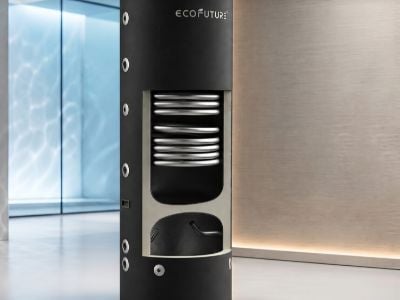
When selecting a buffer tank size for heat pumps, several factors affect efficiency and performance. Choosing the right buffer tank size for heat pumps is crucial for B2B buyers, including purchasing managers and engineers, who need to optimize their systems for specific applications. This article will guide you through key specifications, supplier recommendations, common issues, and cost considerations, helping you make a well-informed decision
How to Choose the Right Buffer Tank Size for Your Heat Pump
Choosing the appropriate heat pump buffer tank size for your heat pump involves understanding your system's heating demands and operational requirements. Start by calculating the total heating load of the building or application to determine how much thermal energy is needed. A buffer tank serves to store excess heat generated by the heat pump, ensuring a consistent supply of hot water, especially during peak demand periods
Consider the following factors when selecting the tank size:
Heat Load Calculation: Assess the total heat load in kilowatts (kW). You can use heat load calculation tools or consult with a professional to ensure accuracy
System Volume: A larger buffer tank can help maintain system efficiency by reducing the number of start-stop cycles of the heat pump. Typically, a tank volume of 50 to 75 liters per kW of heat load is recommended, but this may vary based on specific application needs
Temperature Differentials: Evaluate the temperature range at which your heat pump operates. Tanks should be sized based on the desired temperature differentials to optimize energy savings and performance
Usage Patterns: Analyze the hot water usage patterns of the facility. A buffer tank that is too small may lead to insufficient hot water supply during peak usage, while an oversized tank can lead to energy waste
Consulting with a knowledgeable supplier, like Zhejiang Jiadele Technology Co., Ltd., can provide insights on customized solutions tailored to your specific heat pump application
Key Specifications for Buffer Tanks in Heat Pump Systems
When selecting a buffer tank, certain specifications are crucial to ensure compatibility and efficient operation within your heat pump system:
Material: Most buffer tanks are made from steel, which provides strength and durability. Stainless steel is often preferred for its corrosion resistance, especially in systems with high moisture levels
Insulation: Proper insulation is vital to minimize heat loss. Look for tanks with high-performance insulation materials to enhance energy efficiency
Connections and Fittings: Ensure that the tank has the right connections for your system's piping configuration. Compatibility with existing components is essential for smooth installation
Pressure Ratings: Verify that the tank's pressure rating aligns with the operational pressure of your heat pump system. This is critical to avoid potential failures or leaks
Dimensions: Confirm the tank dimensions to ensure it fits within your intended space. Consider height, diameter, and weight, especially if the tank needs to be transported to a specific location
Understanding these specifications helps you select a buffer tank that not only meets your operational needs but also ensures longevity and reliability
Where to Find Reliable Suppliers for Buffer Tanks in Bulk
Finding reputable suppliers for buffer tanks is essential for ensuring quality and reliability. To source buffer tanks in bulk:
Industry Directories: Utilize online industry directories, such as ThomasNet or Maker’s Row, which list verified suppliers and manufacturers in the heating equipment sector
Trade Shows: Attend trade shows and exhibitions related to renewable energy and heating systems. This provides an opportunity to meet suppliers, view their products, and discuss your requirements directly
Certifications: Look for suppliers, like Zhejiang Jiadele Technology Co., Ltd., who hold relevant certifications (CE, RoHS, ISO) to ensure that the products meet international quality and safety standards
References and Reviews: Seek feedback from other businesses or industry professionals regarding their experiences with specific suppliers. Reviews and testimonials can offer insights into product quality and customer service
Customization Capabilities: Inquire about the supplier’s ability to customize buffer tank specifications to meet your unique operational needs. Flexibility in production can enhance compatibility with your heat pump system
Common Problems with Buffer Tanks and Their Solutions
Buffer tanks can experience several issues that may affect system efficiency. Here are some common problems and their solutions:
Insufficient Heat Retention: If the buffer tank is not properly insulated, heat loss can occur, leading to higher energy costs. Ensure that you select tanks with high-quality insulation materials and check the insulation thickness
Corrosion: Tanks made from inferior materials can corrode over time, especially in high-humidity environments. Choose tanks made from corrosion-resistant materials such as stainless steel or ensure proper coatings are applied
Sizing Errors: An improperly sized tank can lead to inadequate hot water supply or unnecessary energy consumption. Reassess your heating load calculations and consult with suppliers to ensure the selected tank meets your requirements
Leaking Seals: Over time, seals can degrade, leading to leaks. Regular maintenance checks are recommended, along with the use of high-quality seals during installation
Air Trapping: Air pockets can form within the tank, affecting heat transfer. Regularly bleed the system to remove trapped air, ensuring optimal performance
Understanding these potential issues will help you take proactive measures to maintain your buffer tank system effectively
Cost Factors to Consider When Sourcing Buffer Tanks for Heat Pumps
When budgeting for Commercial Heat Pump buffer tanks, several cost factors should be taken into account:
Material Costs: The choice of materials significantly impacts the price. Stainless steel tanks, while more expensive, offer greater longevity and corrosion resistance compared to standard steel tanks
Size and Capacity: Larger tanks generally come with higher upfront costs. Evaluate your heat load requirements to ensure you invest in the right size without overspending
Customization: If you require custom specifications, be prepared for additional costs. Discuss customization options upfront with your supplier to understand the implications on pricing
Shipping and Handling: Consider logistical expenses, especially if the tanks need to be transported over long distances. Shipping costs can vary based on weight and dimensions
Installation Costs: Factor in the costs associated with installation. Professional installation can ensure correct setup and operation, saving you money on potential future repairs
By understanding these cost factors, you can make a more informed decision when sourcing buffer tanks, ensuring that you achieve the best value for your investment