Key Specifications for Industrial Cooling Units

All Categories

industrial cooling units

Industrial cooling  units are essential components in various sectors,  ensuring optimal  temperature  control  for  manufacturing processes,  equipment, and facilities.  As a purchasing manager or  engineer, understanding  the key specifications  and sourcing strategies for these  units  is crucial to making informed decisions. This  article will guide you through the critical factors  to consider when evaluating  industrial  cooling units, focusing on specifications, sourcing options, quality comparisons,  installation challenges, and the advantages of high-quality  materials.


Where to Source Reliable Industrial Cooling Units for Wholesale Purchasing

Sourcing  industrial cooling units requires a strategic approach to ensure reliability and quality. Here are  effective avenues to consider:

Established Manufacturers: Partnering with reputable manufacturers like Zhejiang Jiadele Technology Co., Ltd. ensures you receive certified products with proven performance. Look for  companies that hold essential certifications such as CE  and ISO, which guarantee adherence to international standards.


Trade Shows and Industry Events: Attending relevant trade  shows  allows you to connect directly  with manufacturers and suppliers, providing opportunities to assess  their products firsthand. This  can also help  you evaluate their capabilities  and customer service.

Online Marketplaces: Platforms specializing in industrial products can  be a good resource for comparing models and prices. Always check supplier ratings and reviews to gauge reliability.

Local Distributors: Engaging local distributors can facilitate quicker access  to products and support services. These distributors often  have established relationships with manufacturers and can  provide insights into the best options for your  needs.

Industry Networks: Leveraging industry contacts can lead to referrals  for trustworthy suppliers. Networking with peers can also provide insights into the performance of specific units  in operational settings.

Ensure that any supplier you consider has a transparent process for quality assurance and is willing to provide references or case  studies demonstrating their products' reliability.
How to Compare the Quality of Different Industrial Cooling Units

Quality comparison among industrial cooling units is paramount to ensure you are investing in a reliable  solution. Here are some strategies to effectively evaluate quality:

Material Specifications: Assess the materials used in construction. High-quality units often utilize durable materials that withstand harsh  conditions, such as stainless steel or corrosion-resistant alloys.

Warranty and Support: A robust warranty can indicate confidence in  the product's quality. Review the warranty terms and the  availability of technical support  to resolve any issues that may  arise post-purchase.


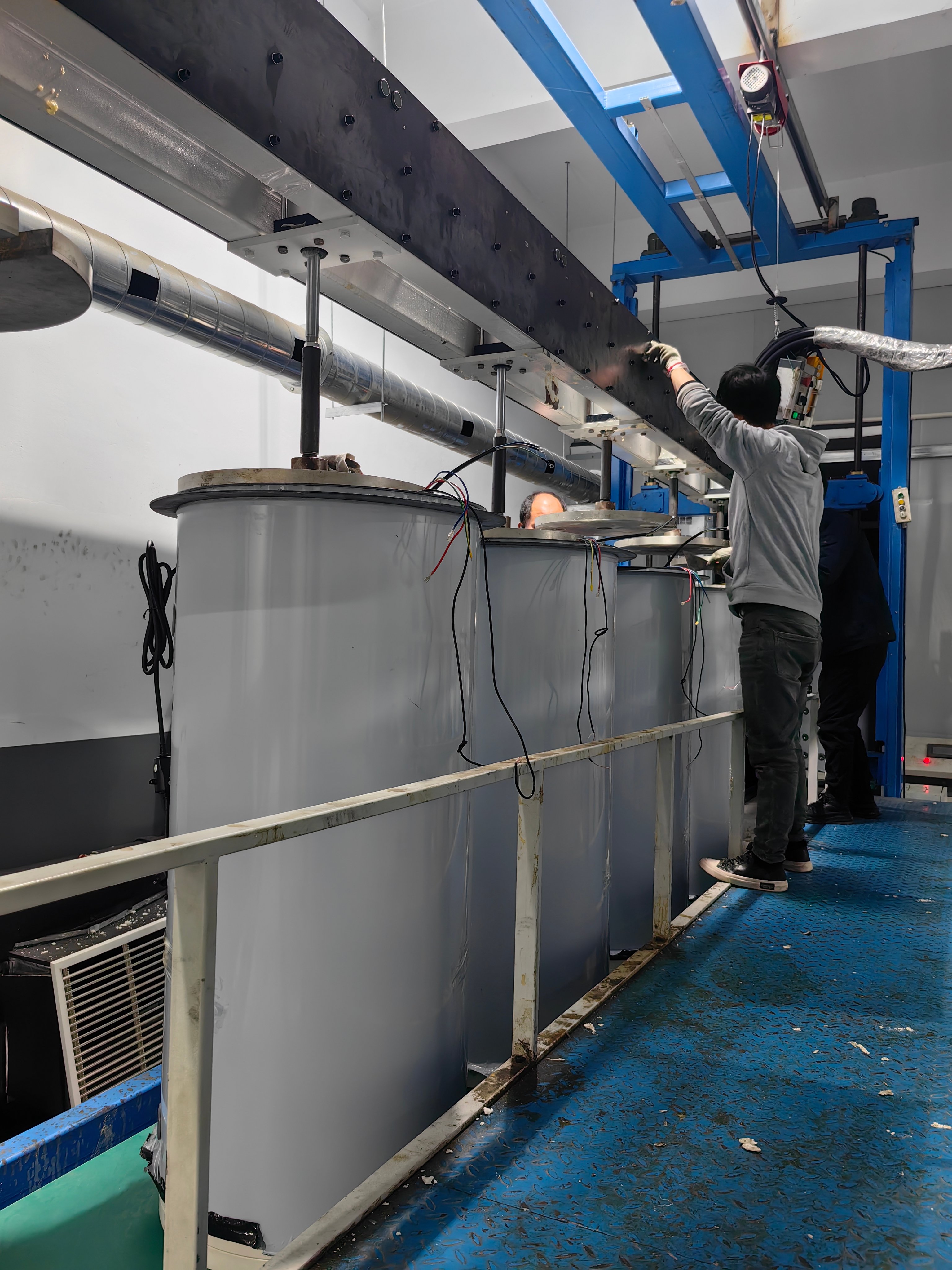
Performance Testing Data: Request any  performance testing certificates or data  sheets from  suppliers. This documentation can  provide insights into how  the unit has performed under various conditions, which is crucial for understanding its reliability.

User Reviews and Case Studies: Research user experiences through online reviews and industry case  studies. Real-world feedback can highlight both the strengths and weaknesses of specific models.

Compliance with Standards: Verify that the units meet industry-specific  standards and  regulations. Compliance not only affects safety but also reflects on the manufacturer’s commitment  to quality.


By employing  these comparison techniques,  you can make a more  informed decision that will meet your operational requirements and budget constraints.

Common Installation Challenges for Industrial Cooling Units and Solutions

Installing industrial cooling units can present various challenges. Being aware of these  can help streamline the process:

Space Constraints: Many facilities have limited space for equipment installation. It is essential  to assess the dimensions of the cooling unit and the installation area before purchase. Custom solutions may be  necessary to accommodate unique space requirements.


Electrical  Requirements: Ensure  that the  electrical infrastructure can  support the  new unit's power demands. In some cases, modifications may be needed to meet voltage and  amperage requirements.

Vibration and  Noise  Control: Units may generate vibrations or noise that can affect nearby equipment or work environments. Utilizing vibration-dampening mounts or soundproofing enclosures can mitigate these issues.

Ducting and Piping  Issues: If the unit requires ductwork or refrigerant piping,  ensure that the existing infrastructure is compatible.  Engaging a qualified HVAC contractor during the planning phase can identify potential modifications  needed.

Regulatory  Compliance: Confirm that the installation complies  with local building codes and environmental regulations. Failure to do so can lead to costly fines or the need for reinstallation.

Addressing these  challenges upfront can lead to a smoother installation process and enhance the unit's  operational efficiency.

The Advantages of High-Quality Materials in Industrial Cooling Units

Investing in  industrial  cooling units made from high-quality materials  offers several advantages:

Longevity  and Durability: Equipment  constructed from premium  materials, such  as galvanized steel or advanced composites, tends to last longer. This reduces the frequency of replacements, ultimately  lowering lifecycle costs.

Improved Performance: High-quality materials  often enhance  unit performance, leading to better energy efficiency and cooling capacity. This can significantly impact operational costs and the environmental footprint of your facility.

Enhanced Reliability: Units  made with  superior materials  are less prone to breakdowns and failures. This reliability is essential for maintaining continuous operations, particularly in critical applications.

Lower Maintenance Requirements: Devices made from durable materials  typically require less  frequent maintenance, allowing your maintenance  team to  focus on other critical tasks. This can lead to further cost savings and improved productivity.

Better Resistance to  Environmental Factors: High-quality materials can better withstand temperature fluctuations, humidity, and corrosive environments, ensuring consistent performance across varying conditions.

When selecting industrial cooling units, prioritize those that utilize  high-quality materials to maximize your investment and achieve reliable  performance.

Key Specifications to Evaluate in Industrial Cooling Units for Your Projects

When selecting industrial cooling units, several specifications are pivotal to ensure they meet your operational needs. Here are the key specifications to focus  on:

Cooling  Capacity: Measured in BTUs or  kilowatts, this figure indicates how much  heat the unit can remove from  a space. It's  essential to match the cooling capacity  with the size and heat load of the area being cooled.

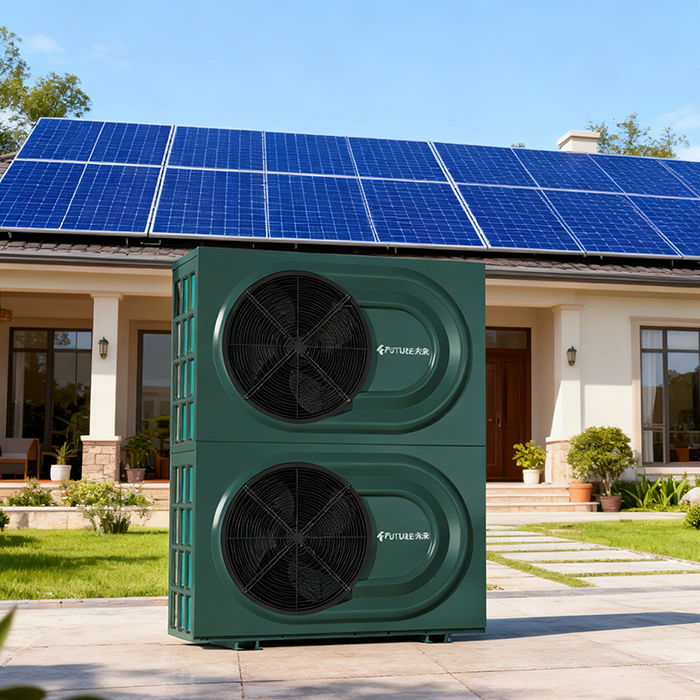
Energy Efficiency Ratio (EER): This measures the efficiency of the cooling unit. A higher EER translates  to lower operational costs and is crucial for long-term sustainability.  Look for units that comply with  international energy efficiency  standards, which can offer significant cost savings over time. For example, the R32 heating cooling DHW solar heat pump air source is designed to be energy efficient.

Temperature Range: Industrial cooling units must operate efficiently within the temperature range specific to your application. Confirm that the selected unit can maintain the  required temperatures under  varying load conditions.


Noise Level: Depending on the installation environment, noise  may  be a concern. Review the decibel (dB) levels of the unit and consider models designed for quieter operation if noise reduction is essential.

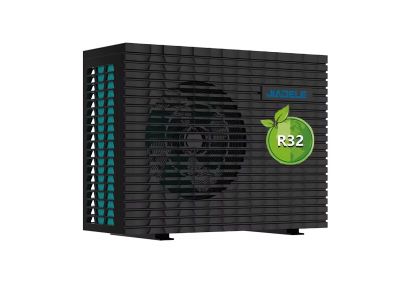
Refrigerant Type: The choice of refrigerant affects both performance and environmental impact. Familiarize yourself with the various refrigerants available and choose one that  aligns with your operational and regulatory requirements.


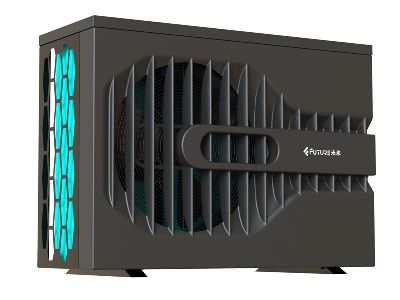
Durability and Material Quality: The materials used in the construction of cooling units can influence their longevity and effectiveness. Units made from corrosion-resistant materials are particularly suited  for harsh industrial environments, such as the R290 Full inverter 21kw pool heat pump water heater.

These specifications should be carefully evaluated in relation to your specific application needs, ensuring that the cooling units you choose will perform reliably and efficiently.


Frequently Asked Questions

What types of industrial cooling units do you offer?

We offer a range of industrial cooling units including air-cooled, water-cooled and hybrid systems tailored for factories, data centers and process cooling with multiple capacity options from small to large-scale installations.
Yes. Our units are designed for high energy efficiency and comply with top international energy efficiency certifications, reducing operating costs and environmental impact.
Yes. We provide professional installation guidance, commissioning, maintenance plans and spare parts support backed by our RD and service teams to ensure reliable long-term operation.
Yes. We offer customization on capacity, control interfaces, materials and integration options to meet specific process, space or environmental requirements.
Our industrial cooling units meet CE, RoHS and ISO standards and are developed by a national high-tech enterprise with rigorous quality control and testing procedures.

Our Blog Posts

R134A all in one heat pump‘s refined processes

10

Jan

R134A all in one heat pump‘s refined processes

R134A all in one heat pump combines the advantages of efficient heating, environmental protection, and energy saving. Its production encompasses multiple refined processes. In the cutting process, high-precision CNC equipment accurately cuts high-qu...
View More
The top five best-selling heat pump markets-Germany

02

Dec

The top five best-selling heat pump markets-Germany

A Brief Analysis of Europe's Heat Pump Market in 2025: Germany's Leading Role in Recovery As 2025 draws to a close, Europe's heat pump market has shown distinct characteristics of "overall recovery with regional differentiation" after the adjustment ...
View More
Why Heavy-Duty Industrial Air Conditioner Is Essential

29

Sep

Why Heavy-Duty Industrial Air Conditioner Is Essential

Heavy-duty industrial air conditioners are crucial for maintaining optimal temperatures in commercial and industrial environments. These systems are designed to handle the substantial cooling demands of large spaces, providing reliable performance ev...
View More
What Is the Most Energy-Efficient Pool Heater?

29

Sep

What Is the Most Energy-Efficient Pool Heater?

Understanding what is the most energy-efficient pool heater is crucial for purchasing managers, distributors, and engineers looking to optimize their investment in pool heating solutions. Energy-efficient pool heaters not only reduce operational cost...
View More

Get In Touch

Have questions about JIADELE?

Our professional sales team are waiting for your consultation.

GET A QUOTE
Tel Email WhatApp