 EN
 AR
 BG
 HR
 CS
 DA
 NL
 FI
 FR
 DE
 EL
 HI
 IT
 JA
 KO
 NO
 PL
 PT
 RO
 RU
 ES
 SV
 ID
 LV
 LT
 SR
 SK
 SL
 UK
 VI
 SQ
 ET
 HU
 TH
 TR
 MS
 HY
 HA
 LO
 MY
Industrial air conditioning systems are crucial for maintaining optimal temperature and humidity levels in various commercial and industrial environments. Selecting the right system is essential for efficiency, cost management, and operational effectiveness. Buyers often seek reliable information regarding specifications, installation, and purchasing options to make informed decisions. This article will guide purchasing managers, engineers, and other decision-makers through the key aspects of sourcing aircon industrial, ensuring they choose the best solutions for their specific needs.
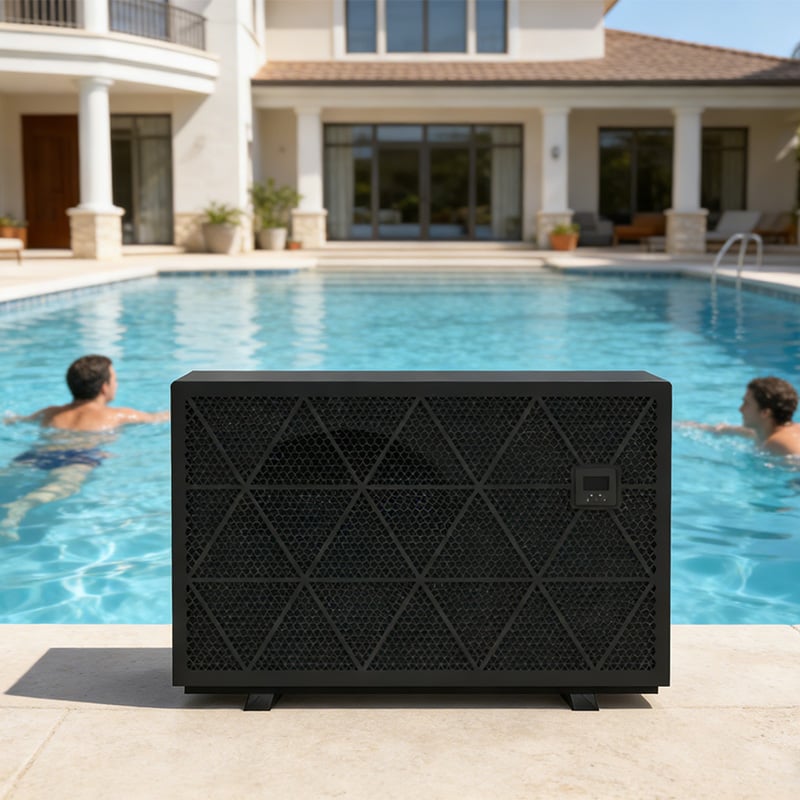
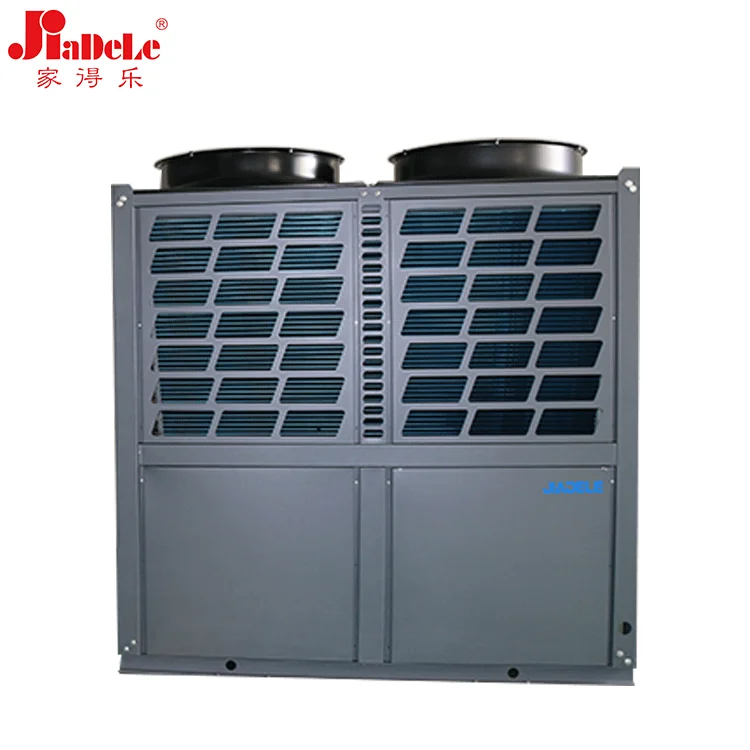
Key Specifications to Consider When Sourcing Air Conditioning Units
When sourcing industrial air conditioning units, several specifications warrant careful examination to ensure optimal performance. Start with the cooling capacity, often measured in British Thermal Units (BTUs) or tons. The cooling capacity should align with the specific square footage and heat load of your facility, taking into account factors such as insulation, number of occupants, and equipment generating heat.
Next, consider the noise level of the unit, especially if it will be installed in or near workspaces. Noise levels are typically measured in decibels (dB), and finding a unit that operates quietly can enhance the comfort of your work environment. Additionally, assess the airflow rate, which is crucial for effective temperature distribution. Units with higher airflow rates can better maintain consistent temperatures across larger spaces.
Energy efficiency ratings, such as Energy Star certification, are also essential. These ratings provide insight into the energy consumption of the system, which can significantly impact operational costs over time.