 EN
 AR
 BG
 HR
 CS
 DA
 NL
 FI
 FR
 DE
 EL
 HI
 IT
 JA
 KO
 NO
 PL
 PT
 RO
 RU
 ES
 SV
 ID
 LV
 LT
 SR
 SK
 SL
 UK
 VI
 SQ
 ET
 HU
 TH
 TR
 MS
 HY
 HA
 LO
 MY
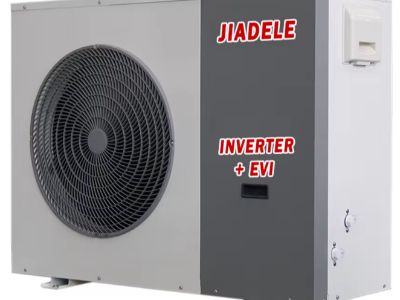
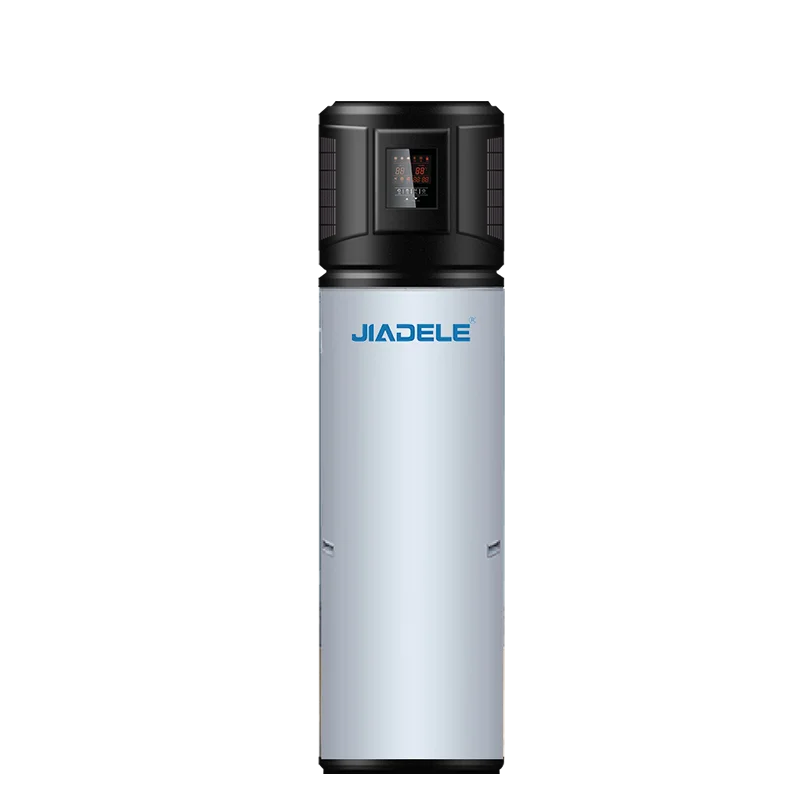
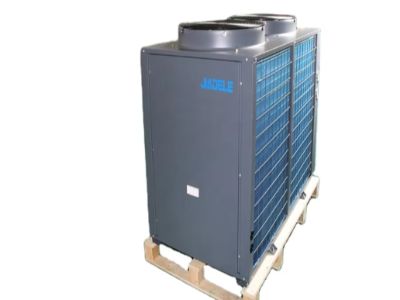
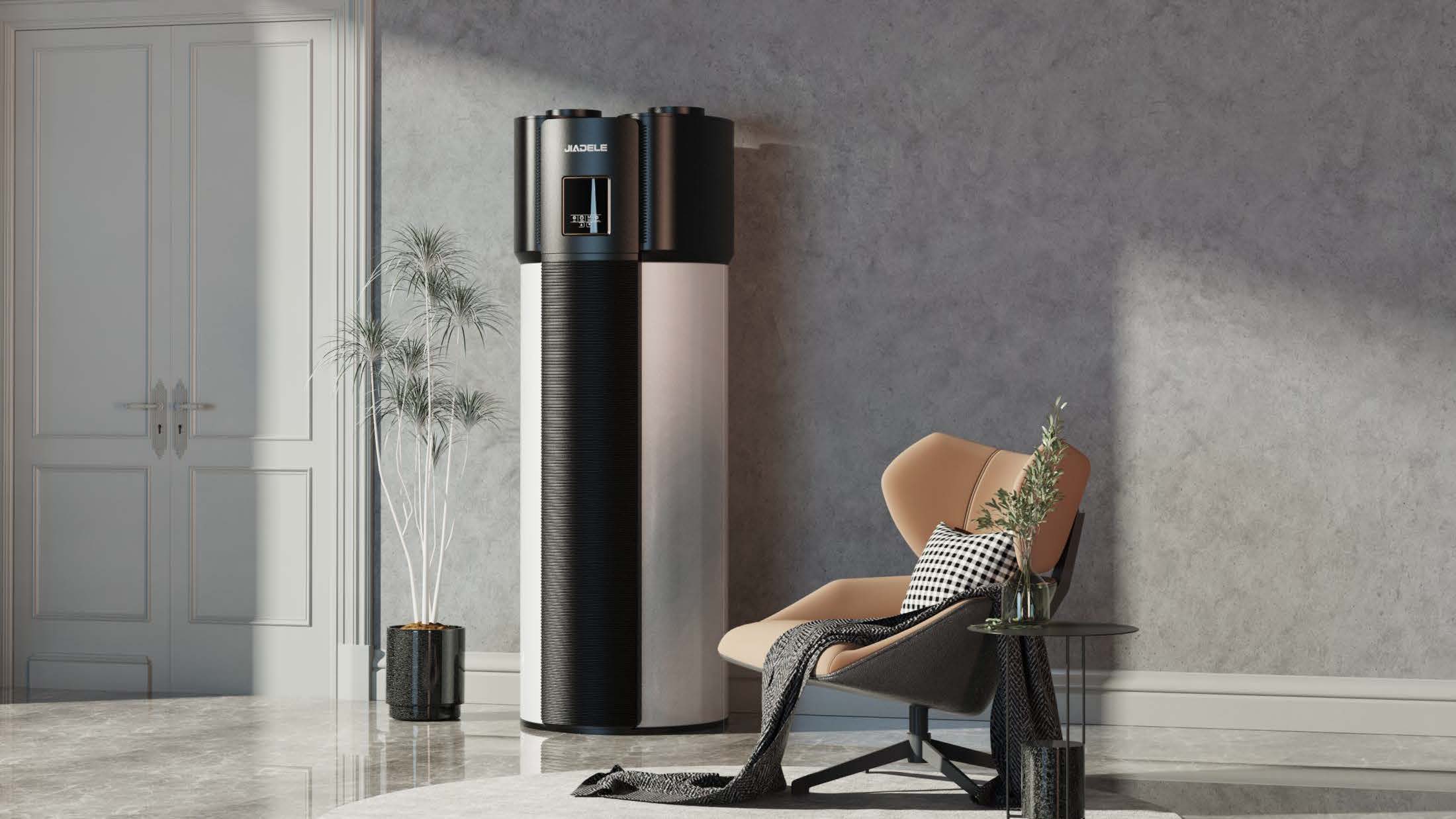
Heat pumps for homes are a vital component in modern energy-efficient heating and cooling systems. As a B2B buyer, your primary concerns may include selecting the right type, understanding technical specifications, evaluating performance versus cost, and ensuring proper installation. This article will guide you through these considerations, helping you make informed decisions when sourcing air source heat pump system for residential applications.
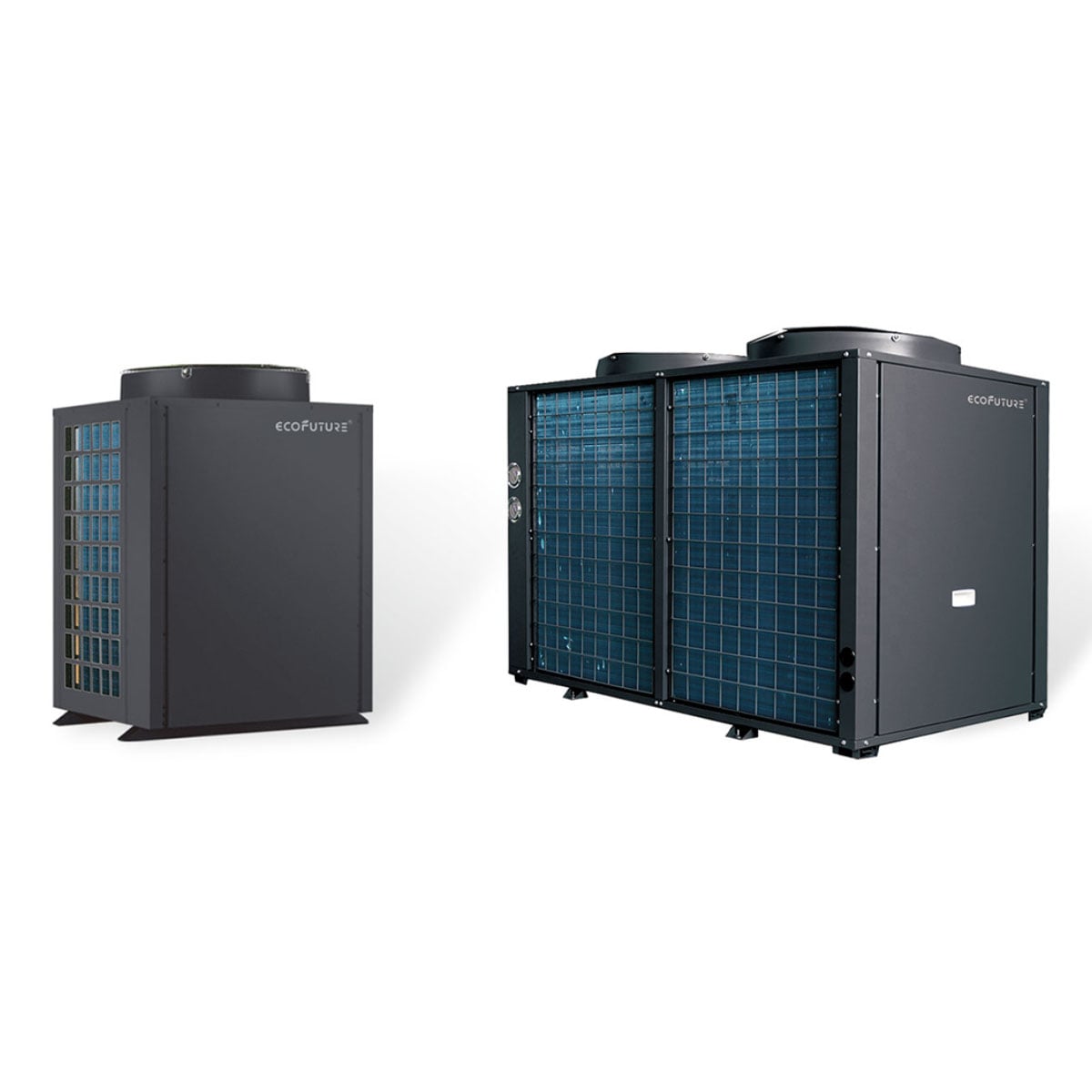
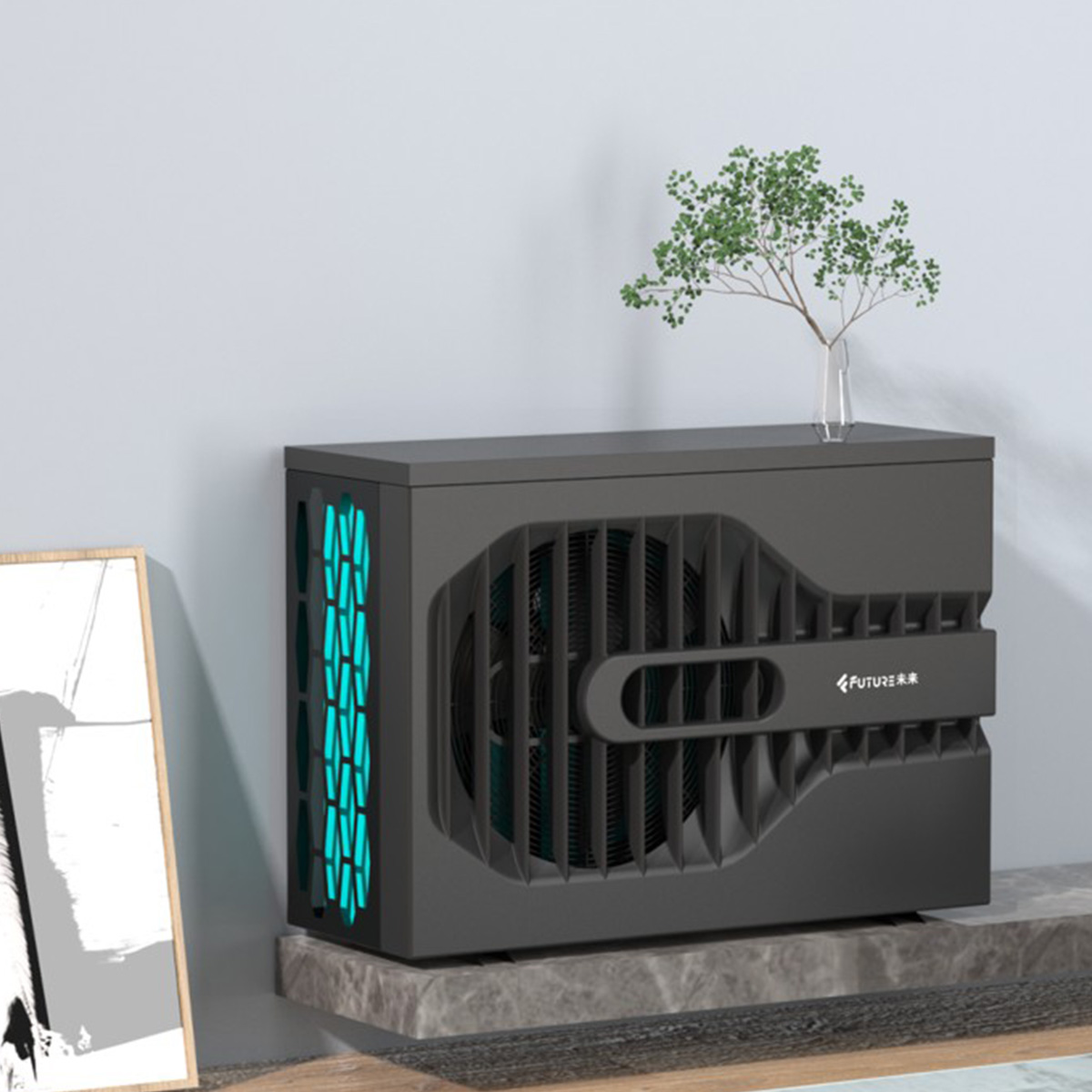
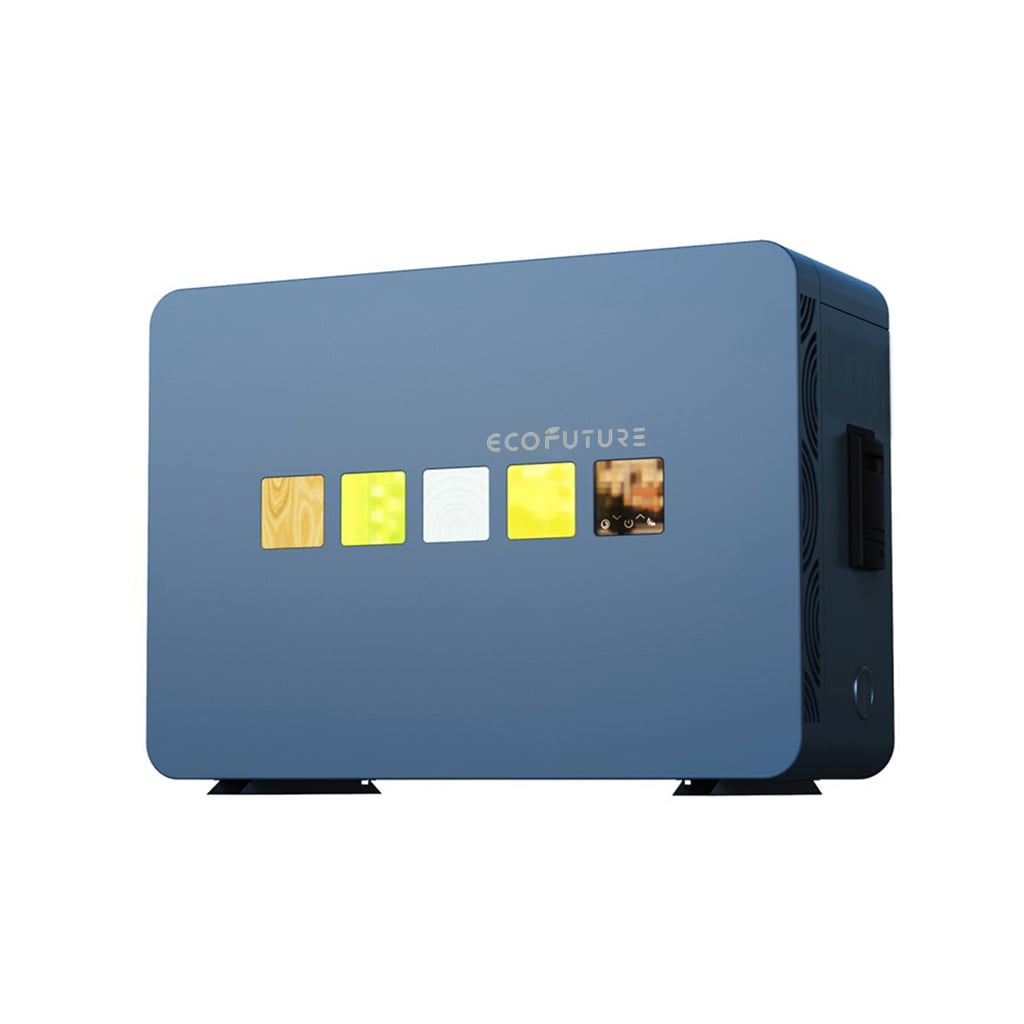
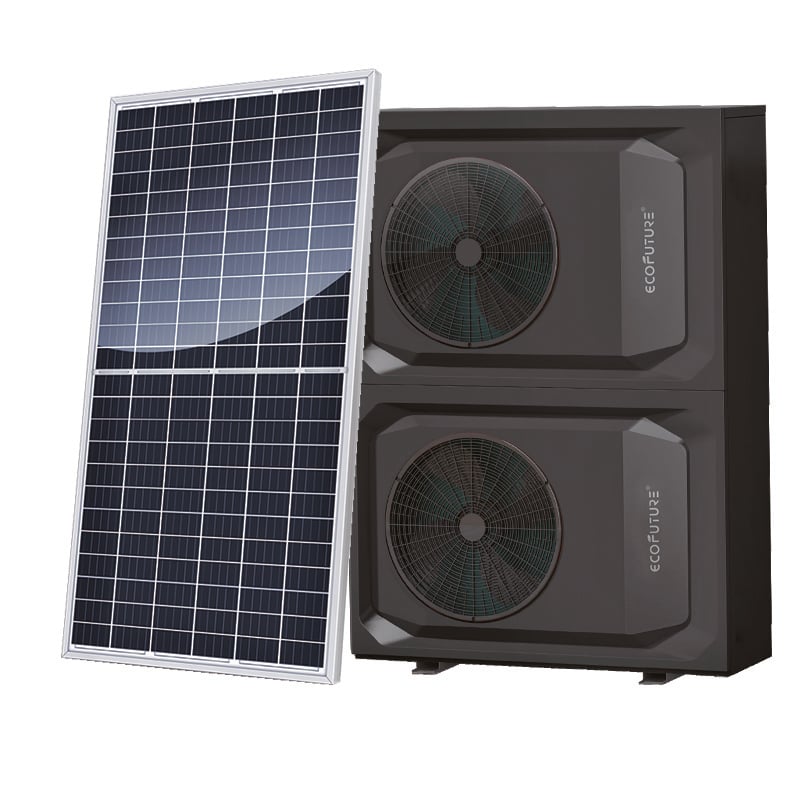
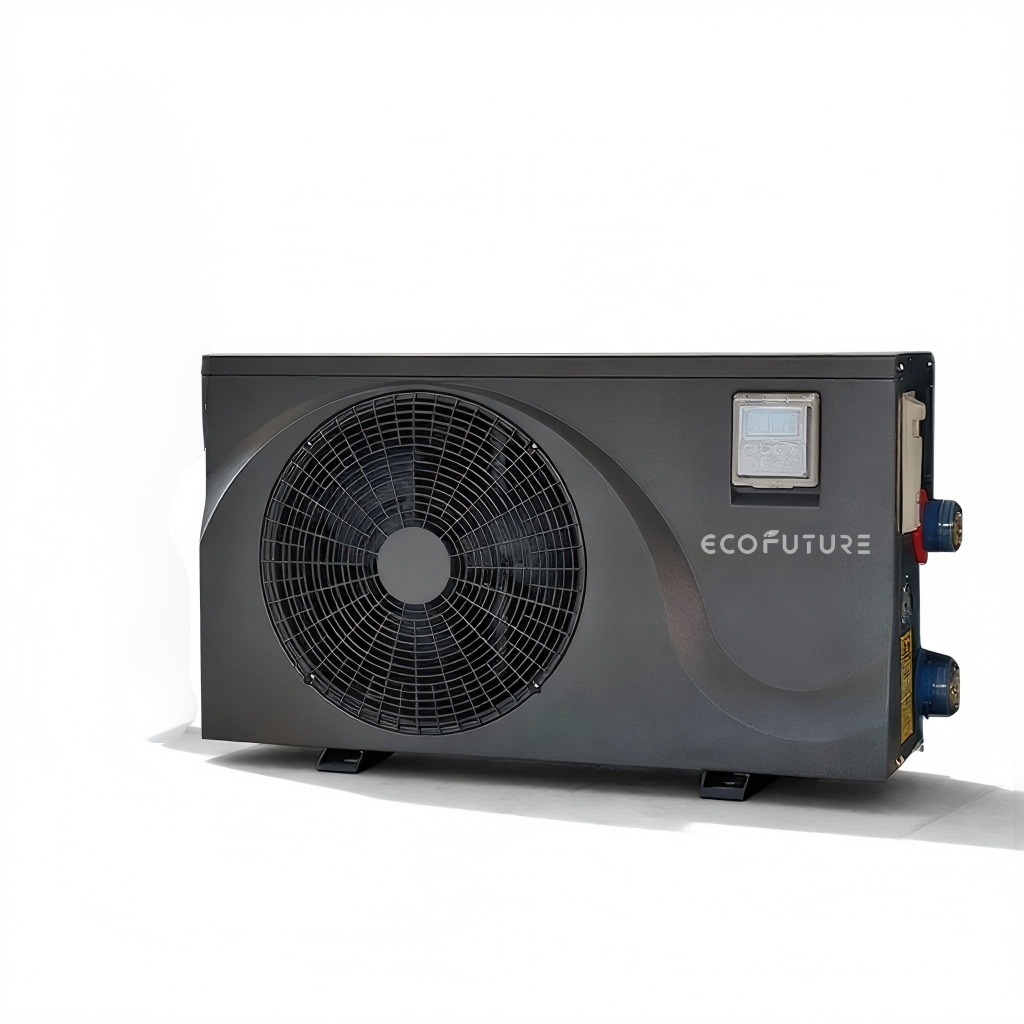
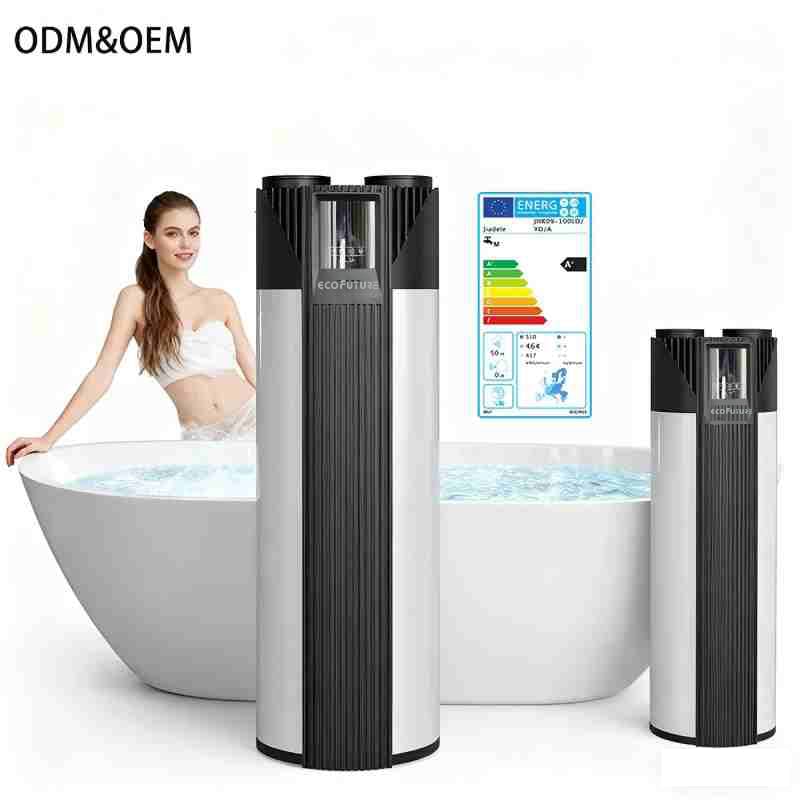
Key Specifications to Consider When Buying Heat Pumps
When sourcing heat pumps, key specifications should be prioritized to ensure optimal performance. Important factors include:
Heating Capacity (BTU/hr): This measures the heat output of the pump. Selecting the right capacity is crucial; an undersized unit may struggle to maintain comfortable temperatures, while an oversized unit can lead to inefficiencies and increased wear.
Seasonal Energy Efficiency Ratio (SEER): This is a measure of cooling efficiency. Higher SEER ratings indicate better energy efficiency, which can lead to cost savings on energy bills.
Coefficient of Performance (COP): This reflects the efficiency of air source heat pump hot water for heating. A higher COP means more heat is produced per unit of energy consumed, which is especially important in colder climates.
Noise Level: The decibel rating can impact the comfort of the living space. Units with lower noise levels are generally preferred for residential applications.
Refrigerant Type: Modern air source heat pumps utilize refrigerants that comply with environmental regulations. Ensure that the selected unit uses eco-friendly refrigerants.
Buyers should verify these specifications with the manufacturer to ensure they meet application requirements and regulatory standards.